From Fuzz to Feathers:
The Early Life of a Racing Pigeon
Pigeons don’t exactly have a great reputation.
They get blamed for the mess on balconies, sidewalks, patio tables, and just about anything parked outside for too long.
For a lot of people, they’re something to ignore or avoid.
But that’s only one version of the story.
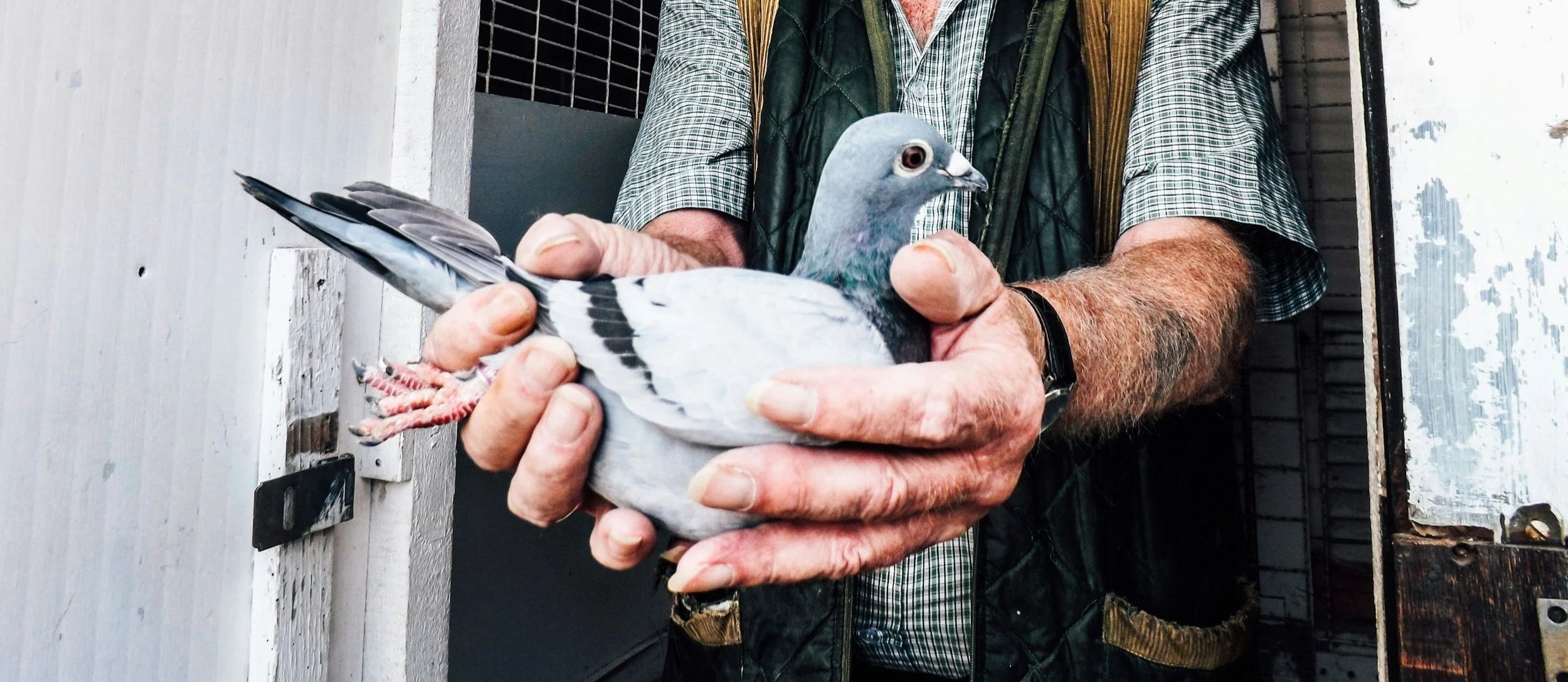
Racing pigeons live a very different life.
There’s structure to it. A rhythm. A process that starts long before a bird ever sees a race.
From the moment they hatch, everything builds toward one thing—learning how to leave… and find their way home.
This is the part most people never see—how racing pigeons are raised and developed before they ever fly.
It Starts With Two Eggs
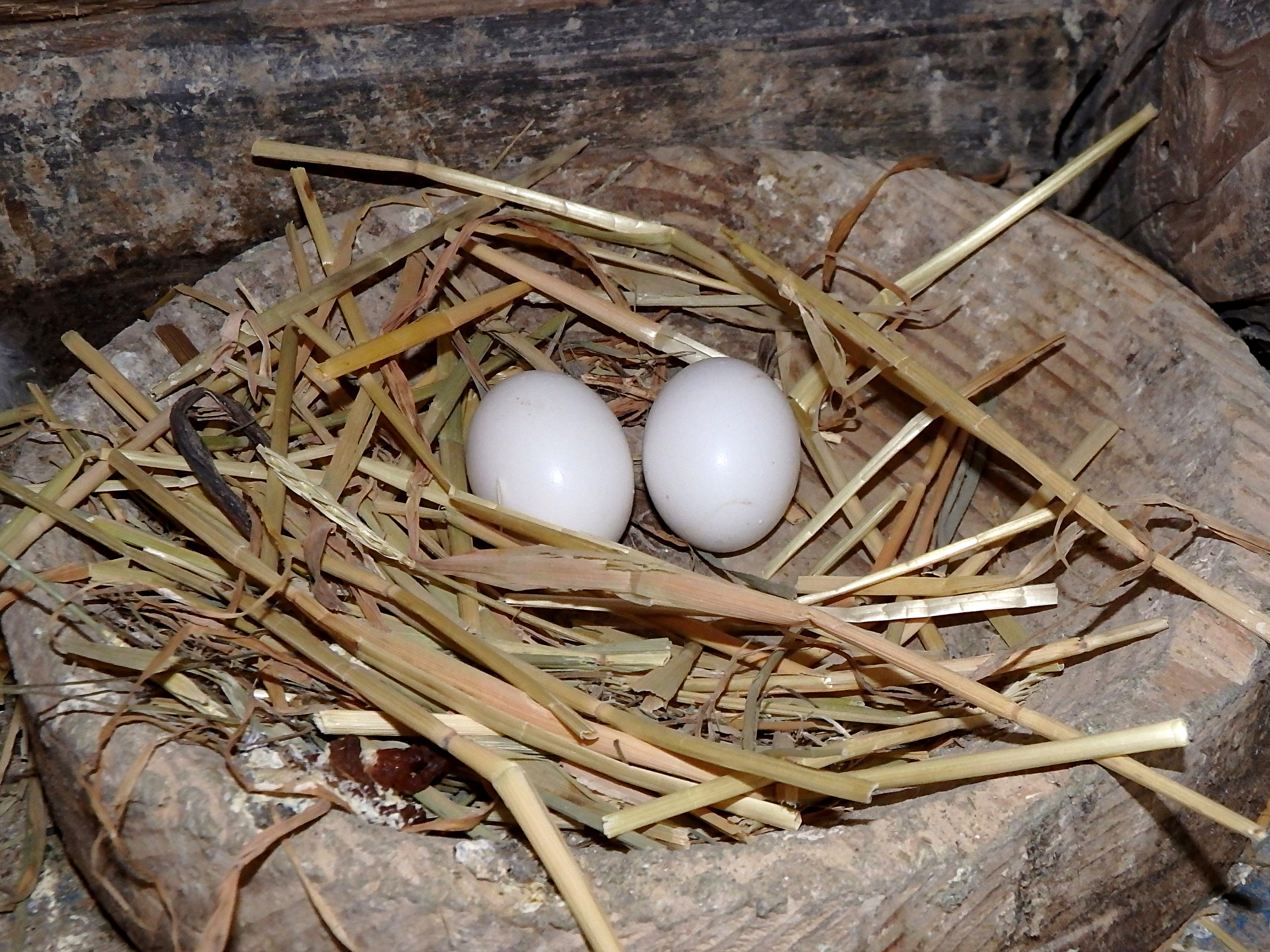
Almost always, it’s two. Not a large clutch. Just two eggs, laid about a day apart. The eggs are white and about half the size of a chicken egg.
From the start, there’s structure here too.
Both parents share the job of incubation—taking turns sitting on the eggs throughout the day and night. While one is on the nest, the other is eating, resting, or moving around the loft before switching back again.
Protecting the eggs from intruders is also vital during this stage. Try to stick your hand in the next box and you’ll be sure to get the whack of a wing and maybe a peck or two.
This stage lasts about 17 to 18 days, depending on the pair and conditions, and from the outside, not much seems to be happening.
But this is where everything begins.
Hatching
Hatching doesn’t happen all at once. Because the eggs are laid about a day apart, one chick often arrives first, with the second following later.
The chick inside begins to pip— and it takes a few hours to break through the shell from the inside.
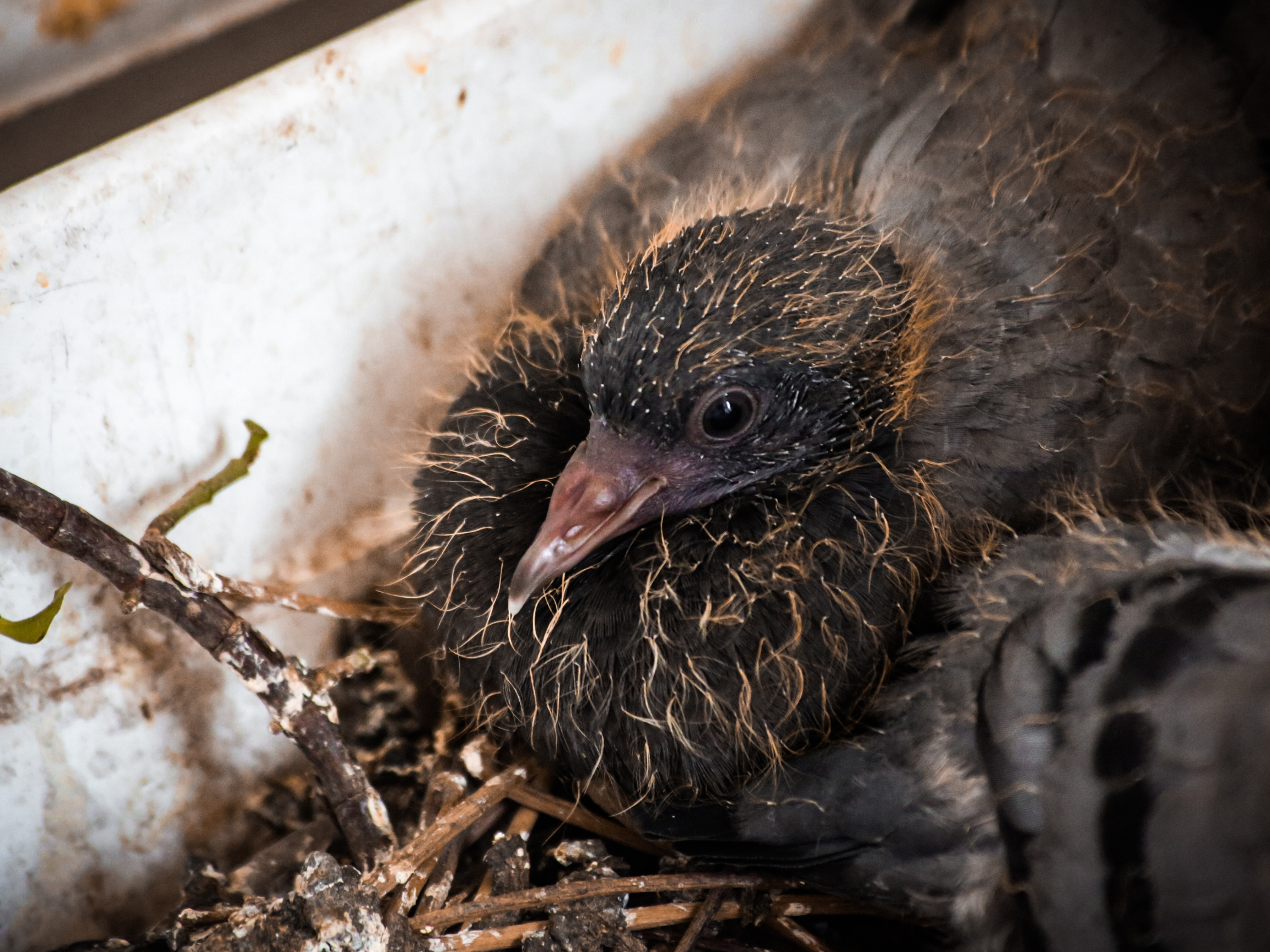
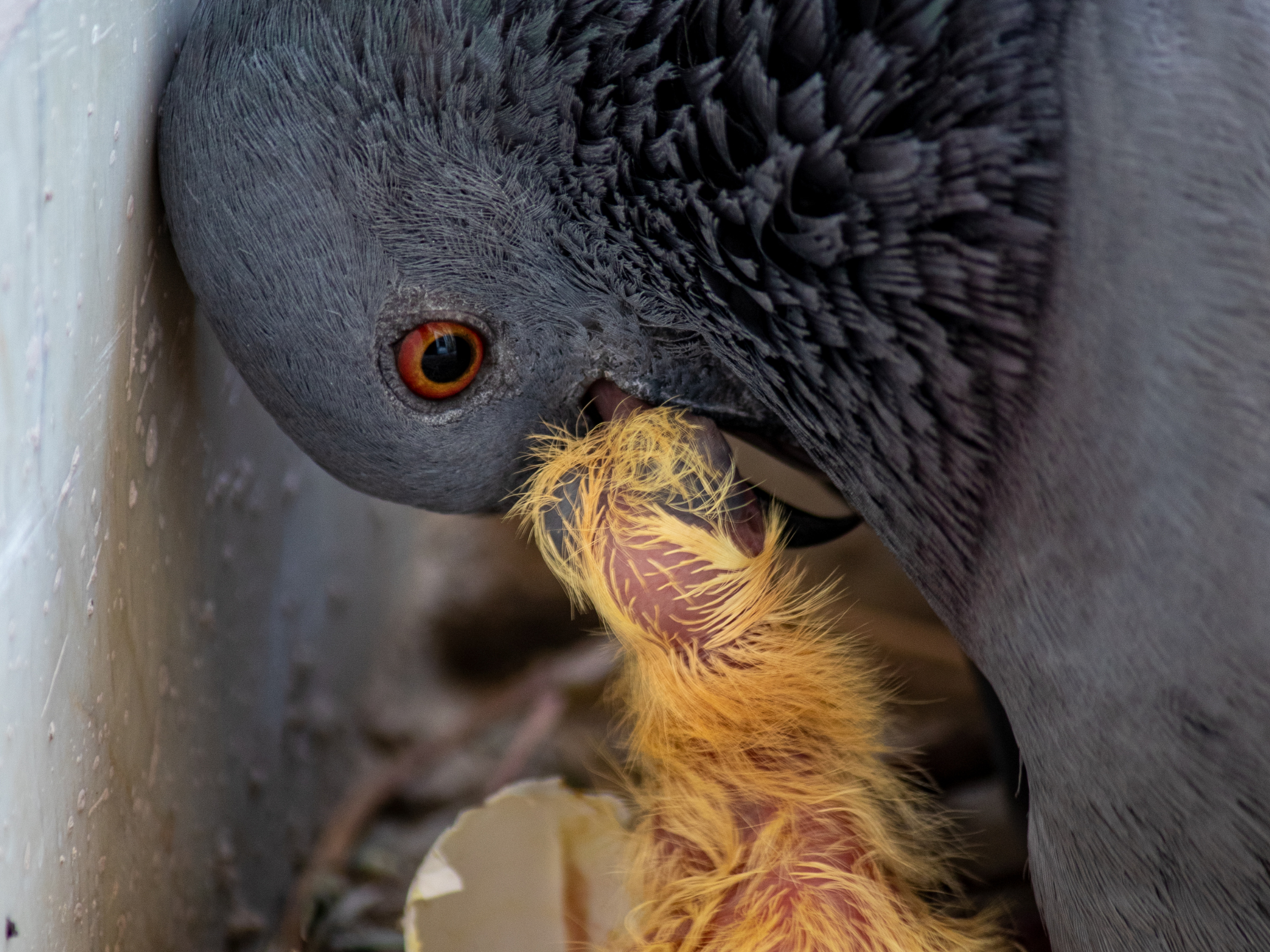
And when they hatch, they’re tiny, a little wet and blind. They’re completely dependent on their parents.
As with the incubation period, both parents take turns tending to the chicks. Keeping them warm and protected, and well fed as they grow.
It’s a fragile stage.
But it doesn’t last long.
First Food Isn’t Seeds
At this stage, the chicks can’t eat on their own.
That’s not surprising—but what is surprising is how pigeons feed their young.
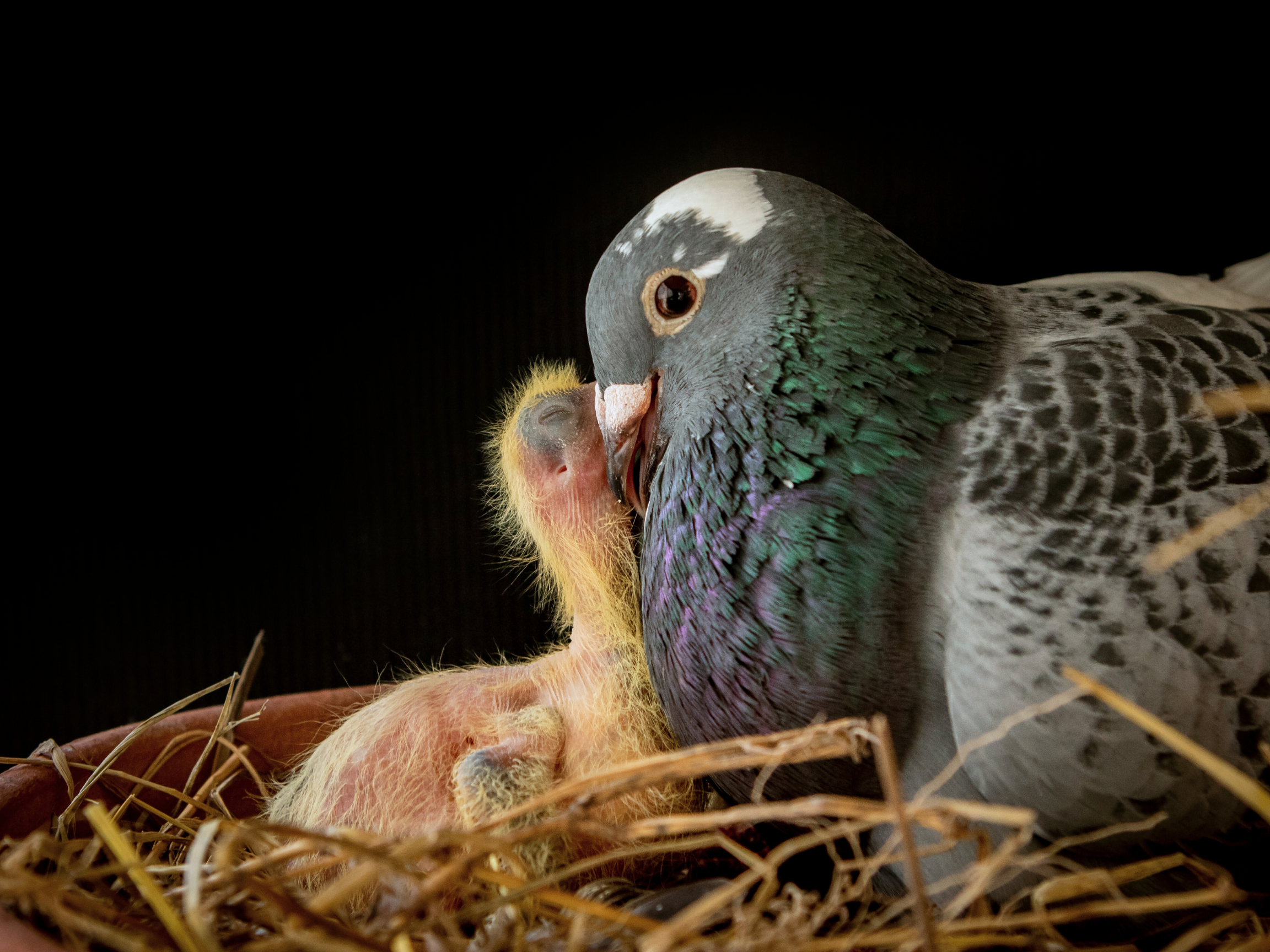
For the first several days of life, both parents produce something called crop milk—a thick, nutrient-rich substance that’s fed directly to the chicks.
It’s not milk in the way we think of it. It’s produced from the lining of the crop and delivered beak-to-beak, with the chicks reaching up and feeding directly from the parent.
And it’s actually pretty unique in the bird world.
Only a small number of species—like pigeons, doves, and flamingos—produce anything like this. In pigeons, both parents are able to do it.
As the chicks grow, seeds are gradually introduced and mixed in with the crop milk until they’re ready to take in solid food on their own.
Growing Fast
In just a few days, the chicks go from small, fragile hatchlings to opening their eyes and becoming more active in the nest.
They’re still fully dependent on their parents—but that’s changing fast.
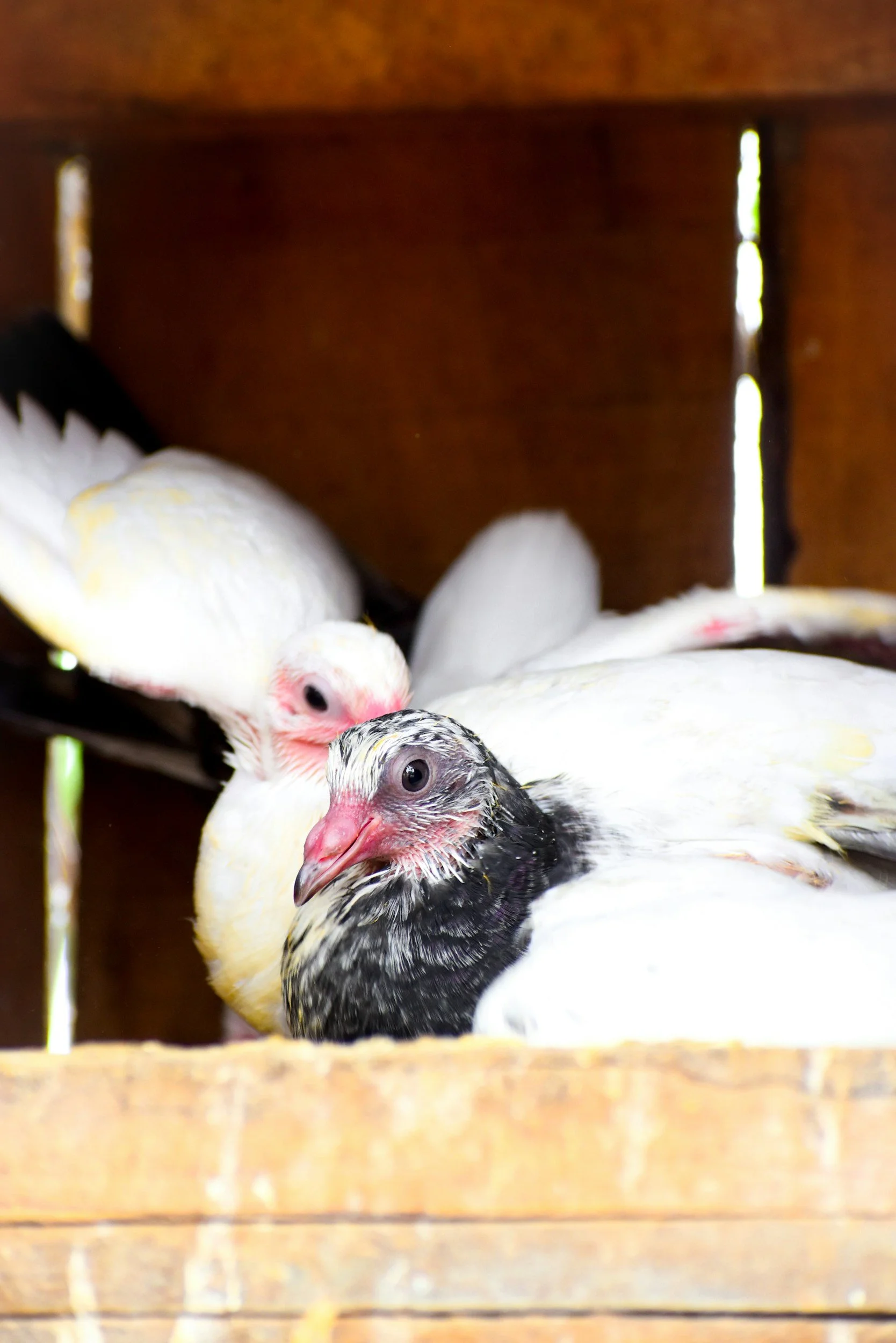
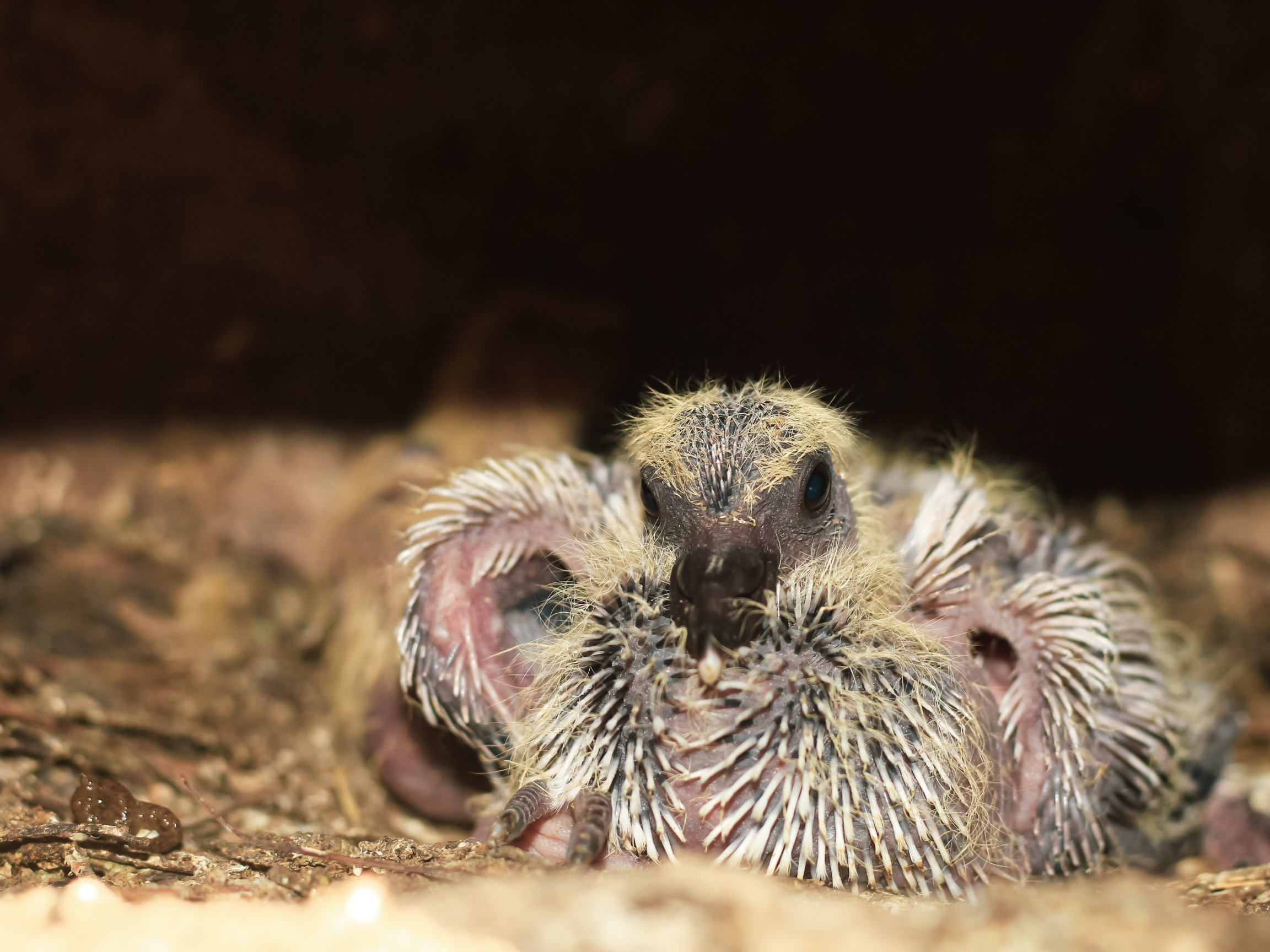
Around 4 to 6 days in, pin feathers start to appear, and over the following days those feathers develop and begin to open.
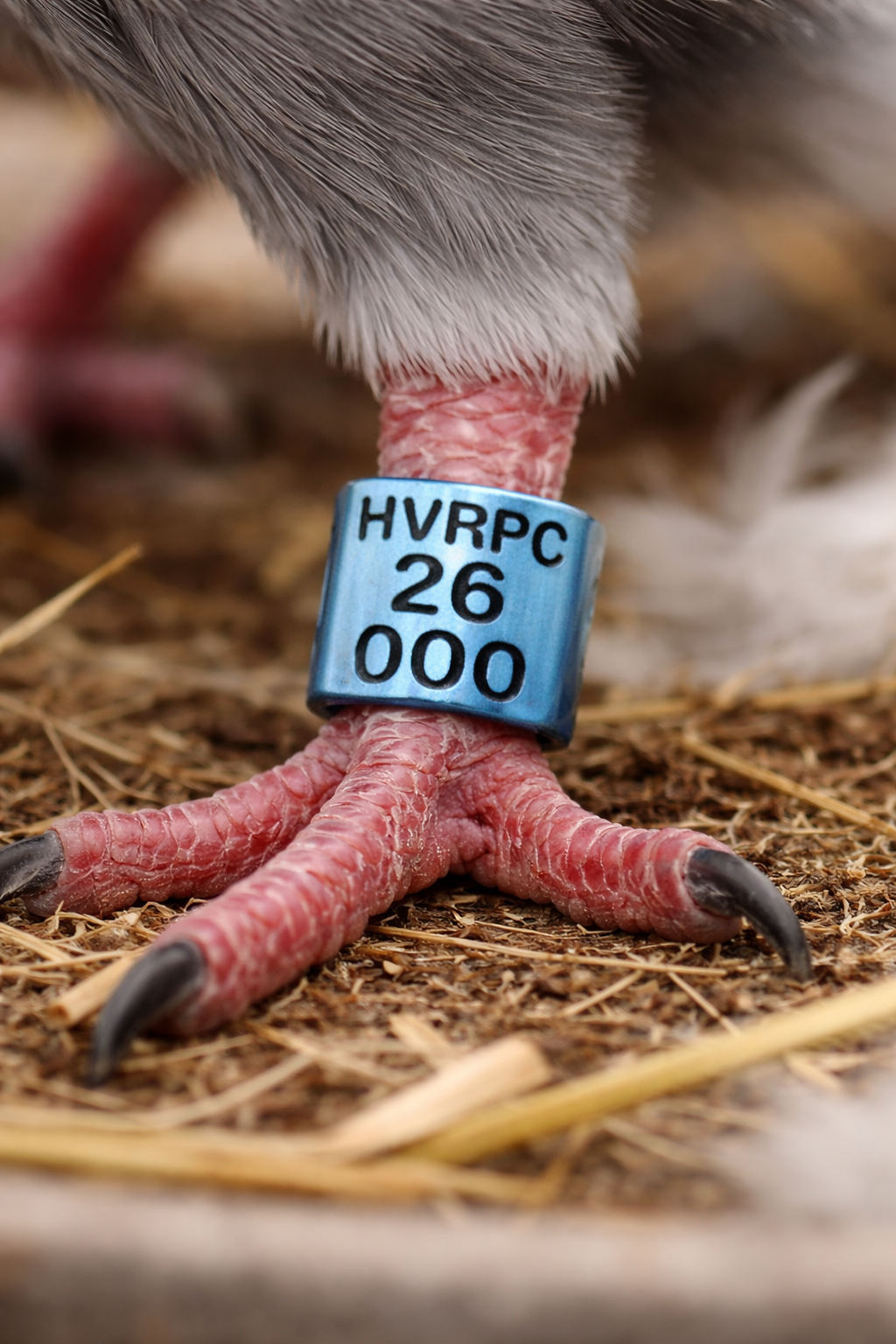
This is also when the birds are banded.
At this stage, the three front toes are brought together and guided through the band, while the back toe is gently folded forward so the foot can pass through.
It only works during this short window. As the chick grows and the joints firm up, the band can no longer be put on or removed without causing injury.
From that point on, the band stays in place for life—serving as the bird’s permanent identification for tracking, ownership, and racing records.
Weaning
As the chicks grow and their feathers come in, the parents begin to reduce feeding around 2 to 3 weeks of age.
They’re starting to become more independent—but in a racing loft, that shift is usually managed pretty carefully.
At this stage, they’re able to move around the nest box, where a small feeder and drinker are hung on the side to encourage them to start pecking at seeds and figuring out food on their own.
Once they’re eating and drinking on their own, they’re moved into a separate weaning section or young bird area.
This is where they begin learning the ropes for racing.
They start flapping their wings, building strength, and practicing short movements—flying up onto perches and navigating the loft space.
They’re also given access to the aviary.
From there, they can see outside, feel the air, and start taking in their surroundings without being fully exposed to it yet.
It’s a gradual introduction.
They’re not flying free—but they’re beginning to understand the environment they’ll eventually need to navigate.